


 Sign in with LinkedIn
14 Examples of Digital Technology in Retail Stores
This article highlights 14 ways that some of today's most buzzworthy brands are adapting to digital transformation. Feel free to contact us if you'd like to learn more.
Frequently Asked Questions
How are retailers using in-store digital technology to bring shoppers back after Covid-19?
Retailers are using in-store digital technology to make physical shopping more immersive, convenient, and safe, especially in the wake of Covid-19.
From the examples in the text, there are a few clear themes:
1. **Experiential and immersive shopping**
- **Burberry’s social retail store (Shenzhen)** combines luxury retail with social media via a WeChat mini-program. Shoppers book appointments, learn about products, and share UGC to earn a virtual social currency that “hatches” and evolves a digital animal as they move around the store. This gamifies the visit and rewards engagement.
- **Zara’s AR experiences** let customers point their phones at in-store zones or packaging to see virtual models wearing the latest collection, helping them visualise fit and styling without a changing room.
- **Audi’s VR showrooms** allow customers to configure and explore their ideal car in realistic detail, including special “Audi moments” like the Le Mans pit lane.
2. **Mobile-first and app-connected journeys**
- **Lush Harajuku** uses the LushLabs app and Lush Lens to replace traditional signage. Shoppers scan bath bombs to see names, ingredients, benefits, and how they dissolve, supporting a packaging-free (“naked”) store.
- **Hema (Alibaba)** blends online and offline: customers scan QR codes to see detailed product data (e.g., harvest and delivery dates) and pay via the Hema app. The same app manages in-store dining, where robots move items from shelves to the kitchen.
- **Nike’s Speed Shop** lets customers reserve shoes online, then unlock a personal locker in-store with their smartphone and check out on mobile without queueing.
3. **Contactless and safer shopping**
- **M&S “Pay With Me”** equips staff with handheld devices so customers with a few items can pay on the spot while queuing, using contactless and Apple Pay. This reduces queues and crowding, supporting safer in-store experiences during the pandemic.
- **Amazon Go and Amazon Fresh** use computer vision, deep learning, and sensors so customers can “just walk out.” Shoppers enter with the Amazon app, pick items, and leave; payment is handled automatically. Amazon Fresh also adds Dash Carts and integrated Alexa devices to speed up navigation and checkout.
4. **Automation and operational efficiency**
- **Sam’s Club** uses Brain Corp-powered robotic floor scrubbers and is piloting robots that scan shelves to verify pricing, check product locations, and monitor stock. Staff receive real-time text alerts when something needs attention, freeing them to focus on service.
- **Kroger Edge** digital shelf labels display pricing and nutritional information and can be updated remotely. The system runs on renewable energy and allows stores to dim overhead lighting, supporting sustainability and cost savings.
5. **Concept stores that reimagine the role of the store**
- **Chanel’s “Boutique of Tomorrow”** connects customer apps with store associate apps so staff know who is visiting, what’s on their wishlist, and can have items ready in the fitting room. AR mirrors suggest complementary products, and interactive devices offer exclusive content like a virtual tour of Coco Chanel’s apartment.
- **CornerShop in London** (Capgemini, The Drum, SharpEnd) is a live testbed for “the store of tomorrow,” with zones for automation, augmentation, purpose, and personalisation. Features include virtual try-on via a digital twin, Bluetooth-based personalised experiences, an in-store vertical farm, and a contactless barista bar.
Overall, retailers are rethinking stores as connected, data-driven environments that blend digital and physical touchpoints, rather than treating them as purely transactional spaces.
What role do mobile apps, QR codes, and AR/VR play in modern retail stores?
Mobile apps, QR codes, and AR/VR are reshaping in-store retail by connecting physical browsing with digital content, data, and services.
**1. Mobile apps as the control centre of the store visit**
Apps are becoming the main interface between shoppers and the store environment:
- **Burberry x WeChat (Shenzhen)**
A custom WeChat mini-program lets customers:
• book appointments
• learn more about products
• share user-generated content
Engagement earns a virtual social currency that evolves a digital animal on the shopper’s phone as they move around the store, turning the visit into a gamified, trackable journey.
- **LushLabs app (Lush Harajuku)**
The Lush Lens feature lets shoppers scan bath bombs to see product names, ingredients, benefits, and visuals of how they dissolve. This replaces physical signage and demos, enabling a packaging-free store and a cleaner layout.
- **Hema app (Alibaba)**
The Hema app supports:
• scanning products for detailed provenance (e.g., harvest and delivery dates)
• in-app payment
• booking and ordering for the in-store robotic restaurant
The result is a seamless online–offline grocery experience.
- **Nike app (Speed Shop)**
Customers reserve shoes online, then use their phone to unlock a named locker in-store and pay via mobile checkout, avoiding queues and staff interaction if they choose.
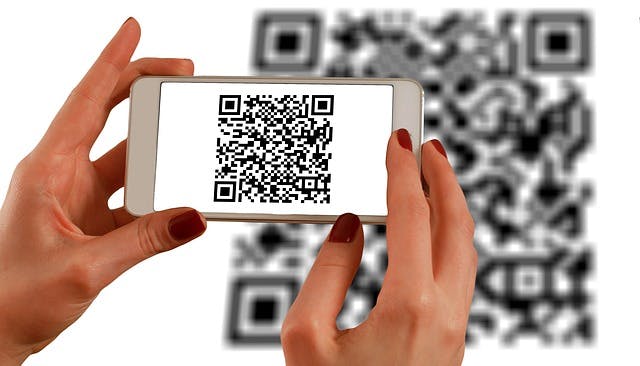
**2. QR codes as the bridge between shelf and screen**
QR codes are widely used to connect physical products and displays to richer digital information:
- **Burberry Shenzhen** uses QR codes on clothing rails and displays, which open WeChat mini-program content with detailed product stories and visuals.
- **Hema** uses QR codes on products so shoppers can instantly see sourcing and logistics data and then pay via the app.
- **BingoBox** (unmanned convenience stores in China) requires customers to scan a QR code with WeChat to enter the store. QR and RFID then support self-checkout and automated security.
This approach reduces the need for printed signage, supports real-time updates, and gives customers more transparency and control.
**3. AR (Augmented Reality) for visualisation and storytelling**
AR is helping customers see products in context without extra effort:
- **Zara’s AR windows and in-store zones**
Shoppers stand in marked areas and point their phones at sensors or packaging. Virtual models appear, wearing Zara’s latest collection and interacting with the space. This helps customers understand fit, movement, and styling options without trying items on.
The same AR experience extends to ecommerce packaging, where scanning a dedicated area triggers a mini catwalk on the customer’s phone.
- **Chanel’s AR mirrors** in the Boutique of Tomorrow show stylist recommendations based on what the customer is trying on, suggesting complementary products and styling ideas directly in the fitting room.
**4. VR (Virtual Reality) for deep product exploration**
VR is used where products are complex, high-value, or hard to display in full:
- **Audi’s VR showrooms** let customers configure their ideal car and explore both interior and exterior in realistic detail. VR also offers “Audi moments” like the Le Mans 24 Hours pit-stop atmosphere, turning research into an immersive experience.
**5. Impact on the in-store experience**
Across these examples, the impact is consistent:
- **More informed decisions**: Apps, QR codes, and AR/VR provide richer product data (ingredients, provenance, styling, nutrition) at the point of decision.
- **Less friction**: Mobile checkouts, app-based entry, and automated payment (e.g., Amazon Go, Nike Speed Shop, Hema) reduce queues and manual steps.
- **Higher engagement**: Gamified experiences (Burberry’s evolving animal, CornerShop’s virtual try-on) and immersive content (Audi VR, Zara AR) make store visits more interactive.
- **Better data for retailers**: Every scan, reservation, and interaction feeds back into analytics, helping retailers refine layouts, assortments, and services.
In practice, mobile, QR, and AR/VR are turning stores into connected environments where the smartphone is the primary companion, and digital layers enhance rather than replace the physical experience.
Which in-store technologies are improving convenience, safety, and operations for retailers?
Several of the technologies highlighted in the text focus less on spectacle and more on making shopping smoother, safer, and more efficient for both customers and store teams.
**1. Contactless and queue-busting payment options**
- **M&S “Pay With Me” (UK)**
• Staff use handheld devices to take contactless payments (including Apple Pay) from customers with a small number of items while they are still in the queue.
• This reduces waiting times, eases congestion around tills, and supports safer in-store conditions during and after the pandemic.
• It’s part of a broader push that also includes booking in-store shopping slots online.
- **Amazon Go and Amazon Fresh**
• Amazon Go stores use computer vision, deep learning, and sensor fusion so customers can enter, pick up items, and leave without visiting a checkout. Payment is handled automatically via the Amazon Go app.
• Amazon Fresh adds the **Dash Cart lane**, where customers who sign in with a QR code can skip traditional checkouts, and integrated **Alexa devices** that help shoppers find items and tick off their Alexa Shopping List.
- **Nike Speed Shop**
• Customers reserve shoes online, then use their smartphone to unlock a personal locker in-store.
• Mobile checkout means they can complete the purchase without queueing or interacting with staff if they prefer.
These approaches reduce friction at the most painful part of the journey—checkout—while also supporting social distancing and contactless payment preferences.
**2. Unmanned and semi-automated store formats**
- **BingoBox (China)**
• Small 24/7 convenience stores where customers scan a QR code with WeChat to enter.
• Products use RFID tags so shoppers can self-checkout without scanning each item individually.
• Payment is made via WeChat or Alipay.
• A smart security system checks whether all items carried out have been paid for and prevents exit until unpaid items are returned.
• While not fully automated (staff still restock and remote support is available), this format significantly reduces the need for on-site personnel and enables round-the-clock operation.
- **Hema (Alibaba)**
• Combines app-based shopping, QR code scanning, and robotic systems for in-store dining.
• Robots move items from shelves to the kitchen and deliver meals, streamlining operations and creating a consistent service experience.
**3. Automation and robotics for store operations**
- **Sam’s Club + Brain Corp**
• Robotic floor scrubbers automate routine cleaning, freeing staff to focus on customer service and checkout.
• New pilot robots analyse shelves to:
– verify pricing accuracy
– check product locations against the floor plan
– monitor stock levels
• Staff receive real-time text alerts when issues are detected, enabling faster correction and better on-shelf availability.
- **CornerShop (London)**
• Demonstrates a range of operational technologies, including a **contactless barista bar** run by smart assistants and an **in-store vertical farm** where customers can select and pay for produce grown on-site.
• These concepts show how automation and on-site production can shorten supply chains and reduce manual handling.
**4. Digital shelf and pricing systems**
- **Kroger Edge**
• Digital price tags display pricing and nutritional information and can be updated instantly and remotely across hundreds of stores.
• This reduces labour associated with changing paper labels and lowers the risk of pricing errors.
• According to Microsoft, the system runs on renewable energy, and the illuminated labels allow stores to dim overhead lighting, supporting energy savings and sustainability goals.
**5. Omnichannel tools that streamline service**
- **Chanel’s Boutique of Tomorrow (with Farfetch)**
• Store associates use an app connected to the customer’s app. When a customer walks in, staff can see who they are, what’s on their wishlist, and what appointment they’ve booked.
• Items from the customer’s digital wishlist are pre-prepared in the fitting room, reducing time spent searching and improving conversion.
• AR mirrors suggest complementary products, helping associates provide more targeted styling advice.
Across these examples, the impact is clear:
- **For customers**: shorter queues, more contactless options, easier navigation, and better stock availability.
- **For retailers**: more efficient use of staff time, improved pricing and inventory accuracy, energy savings, and richer data on how stores are used.
Together, these technologies help retailers reimagine stores as efficient, data-informed environments that can adapt quickly to changing customer expectations and operating conditions.